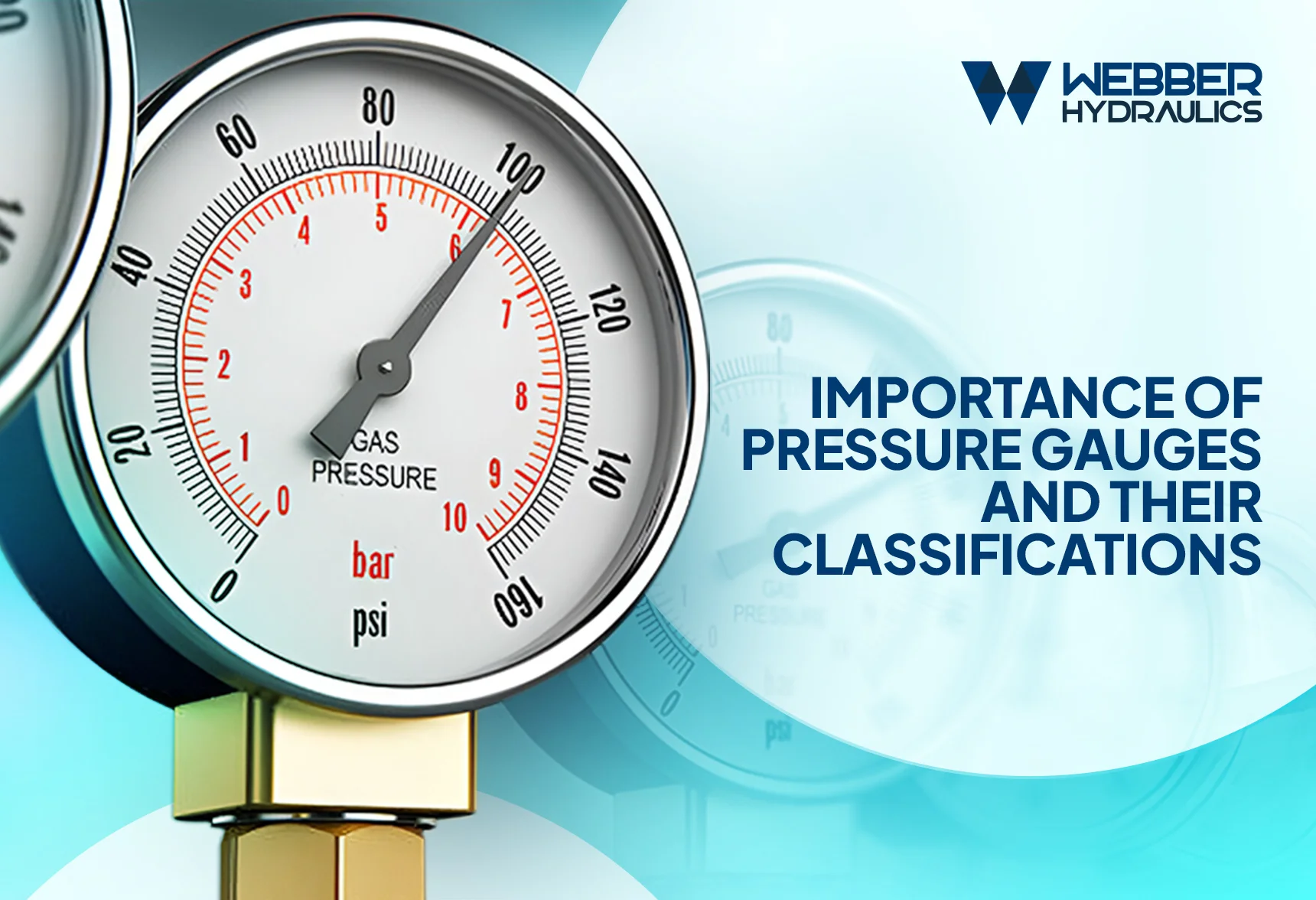
Pressure gauges are among the most essential instruments used across a wide range of industries, including heavy machinery, hydraulic systems, medical equipment, and process manufacturing. Though simple in design, pressure gauges play a critical role in monitoring and controlling system pressure, ensuring safe operation and optimal performance.
Whether you are an engineer, technician, or operations manager, understanding the importance of pressure gauges and their classifications helps you make informed decisions related to system design, maintenance, and safety.
Why Pressure Gauges Matter
The primary function of a pressure gauge is to measure the force exerted by a fluid—liquid or gas—per unit area, typically expressed in pounds per square inch (PSI), bar, or pascals. Pressure can be measured as gauge pressure (relative to atmospheric pressure) or absolute pressure (relative to a perfect vacuum).
By providing real-time pressure readings, gauges allow operators to monitor changing conditions and maintain system stability.
Key Benefits of Pressure Gauges
1. Safety Assurance
Maintaining pressure within safe limits is critical to preventing equipment failures, leaks, or explosions. Excessive pressure can cause ruptures, damage components, and pose serious risks to personnel.
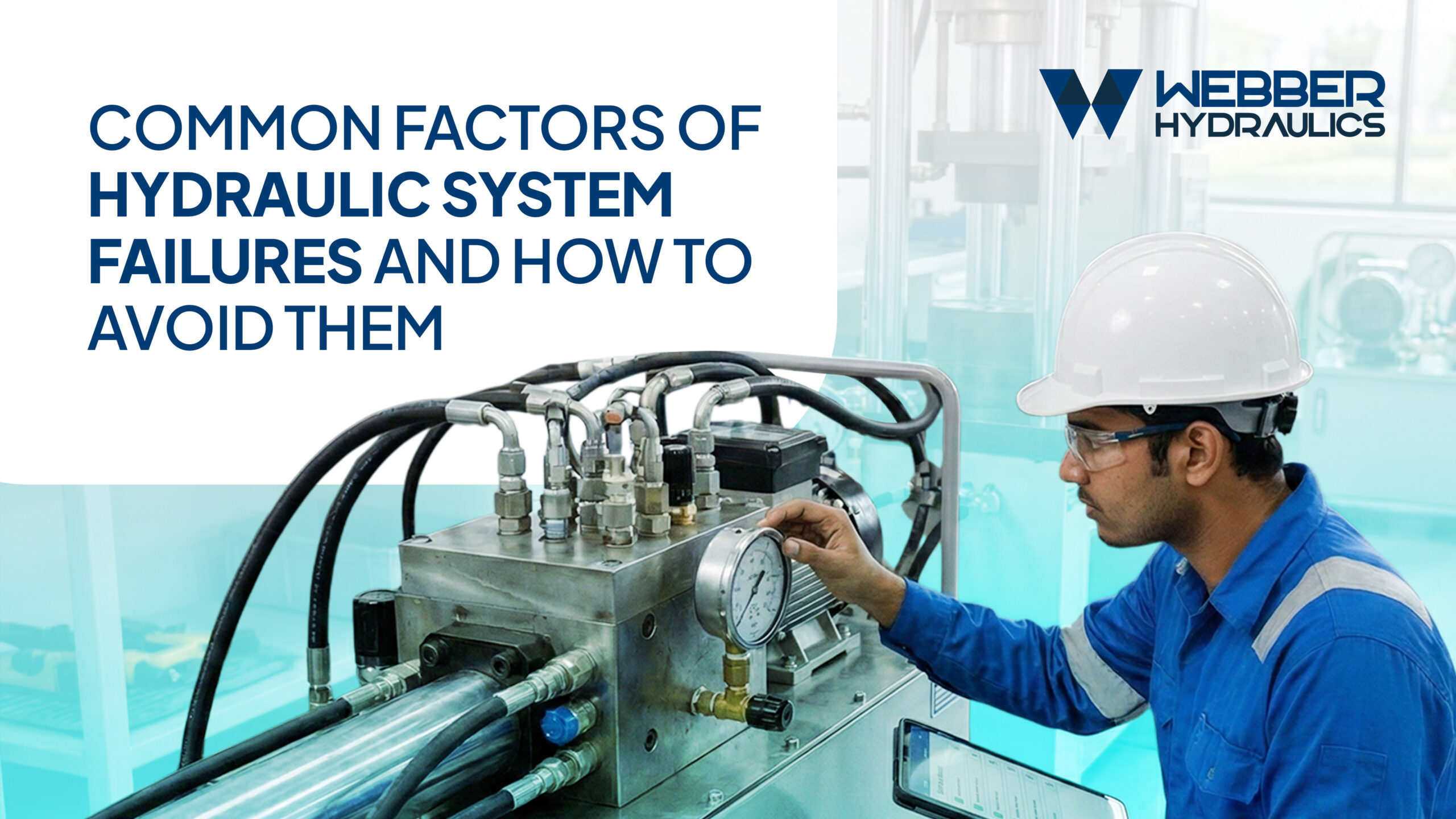
Accurate pressure gauges enable operators to detect unsafe pressure levels early and take corrective action. In industrial hydraulics—where reliability is paramount—pressure gauges are indispensable safety components.
2. System Efficiency and Performance
Hydraulic and pneumatic systems are designed to operate within specific pressure ranges. Deviations can lead to reduced efficiency, energy loss, or inconsistent output.
Pressure gauges act as performance indicators, helping identify issues such as internal leaks, flow restrictions, or worn components that affect system efficiency.
3. Troubleshooting and Preventive Maintenance
Beyond measurement, pressure gauges serve as diagnostic tools. Sudden pressure drops or spikes often signal clogged filters, failing pumps, or malfunctioning valves.
Continuous monitoring allows maintenance teams to address potential issues before they result in costly downtime or equipment failure.
4. Regulatory Compliance and Quality Control
Many industries—including food processing, pharmaceuticals, and oil & gas—are governed by strict regulations that require accurate pressure monitoring and documentation.
Reliable pressure gauges ensure compliance with safety standards while maintaining consistent product quality and process integrity.
How Pressure Gauges Work
Traditional pressure gauges operate using elastic sensing elements such as Bourdon tubes, diaphragms, or bellows.
Bourdon tube gauges are the most common. They consist of a curved metal tube that straightens as pressure increases, moving a pointer across a calibrated dial. This simple yet robust mechanism makes them ideal for industrial environments.
Modern digital pressure gauges convert pressure into electrical signals using sensors, providing highly accurate digital displays along with options for data logging, alarms, and remote monitoring.
Classification of Pressure Gauges
1. Based on Filling Medium
- Dry Pressure Gauges: Suitable for stable, vibration-free environments. They are cost-effective and commonly used in general industrial applications.
- Liquid-Filled Pressure Gauges: Filled with glycerin or silicone oil to dampen vibration and pressure pulsations, making them ideal for harsh or fluctuating conditions.
2. By Operation Type
- Mechanical Pressure Gauges: Operate without electricity, offer quick readings, and are highly durable for extreme environments.
- Digital Pressure Gauges: Provide precise digital readings, reduce human error, and support automation, data recording, and alarm functions.
- Wireless Pressure Gauges: Transmit pressure data remotely, making them ideal for Industrial IoT systems and hard-to-reach installations.
3. By Pressure Measurement Type
- Gauge Pressure Gauges: Measure pressure relative to atmospheric pressure; widely used in hydraulic systems.
- Absolute Pressure Gauges: Measure pressure relative to a vacuum; used in scientific and vacuum applications.
- Differential Pressure Gauges: Measure the pressure difference between two points; commonly used for filter monitoring and flow measurement.
- Vacuum Gauges: Measure pressures below atmospheric levels.
4. Specialty Pressure Gauges
- Manometers: Use liquid columns for low-pressure measurements.
- Capsule Gauges: Designed for extremely low pressures, often used in HVAC systems.
- Diaphragm & Bellows Gauges: Suitable for corrosive media or specialized pressure ranges.
Choosing the Right Pressure Gauge
Selecting the correct pressure gauge depends on several factors:
- Operating pressure range
- Type of fluid or gas
- Environmental conditions (temperature, vibration, corrosion)
- Accuracy requirements
- Safety and regulatory standards
Sourcing gauges from reliable manufacturers and ensuring proper installation, calibration, and maintenance significantly improves their lifespan and performance.
Final Thoughts
Pressure gauges may appear simple, but their impact on operational safety, efficiency, and reliability is substantial. From hydraulic and pneumatic systems to manufacturing and laboratory environments, pressure gauges provide the real-time insight needed to maintain control and prevent failures.
Industries that prioritize precision and reliability depend on the correct selection and maintenance of pressure gauges to safeguard equipment, personnel, and productivity. Regular inspection and proper usage ensure these essential instruments continue to perform their critical role effectively.