- The safety of hydraulic systems requires mandatory enforcement because a single error will result in major problems which include equipment breakdowns and costly system interruptions.
- The operation of high-pressure fluid systems demands strict procedural guidelines because these systems generate dangerous fluid explosions and machine operator threats.
- The combination of proper inspections and maintenance and staff training programs leads to a decrease in workplace accidents at industrial facilities.
- System components need proper selection together with safety measures to protect personnel during operations and to maintain system stability for the long run.
- The core safety practices which have proven their value maintain hydraulic operations at continuous compliance and operational readiness throughout each day.
Overview
Hydraulic technology enables vital operational functions which construction, manufacturing, agricultural and material handling industries depend on for their core activities. Hydraulic systems operate at high efficiency but they become dangerous when people fail to handle them correctly. The combination of high pressure and stored energy in systems creates dangerous conditions which result in major injuries and severe equipment breakdowns with extended operational shutdowns.
Let us delve into the below mentioned practices which maintain hydraulic system reliability, compliance and ensure system health in challenging work environments.
Must-Know Hydraulic System Safety Measures You Should Never Ignore
1. Always Depressurize Before Maintenance
The system needs to reach complete depressurization before any component inspection or repair work can start. Residual pressure continues to exist after shutdown which creates a risk of sudden fluid discharge. Unexpected component movement is a hazard. A certified hydraulic pressure release valve must be used to discharge stored energy before you start taking apart parts or separating lines.
2. Wear Proper Personal Protective Equipment (PPE)
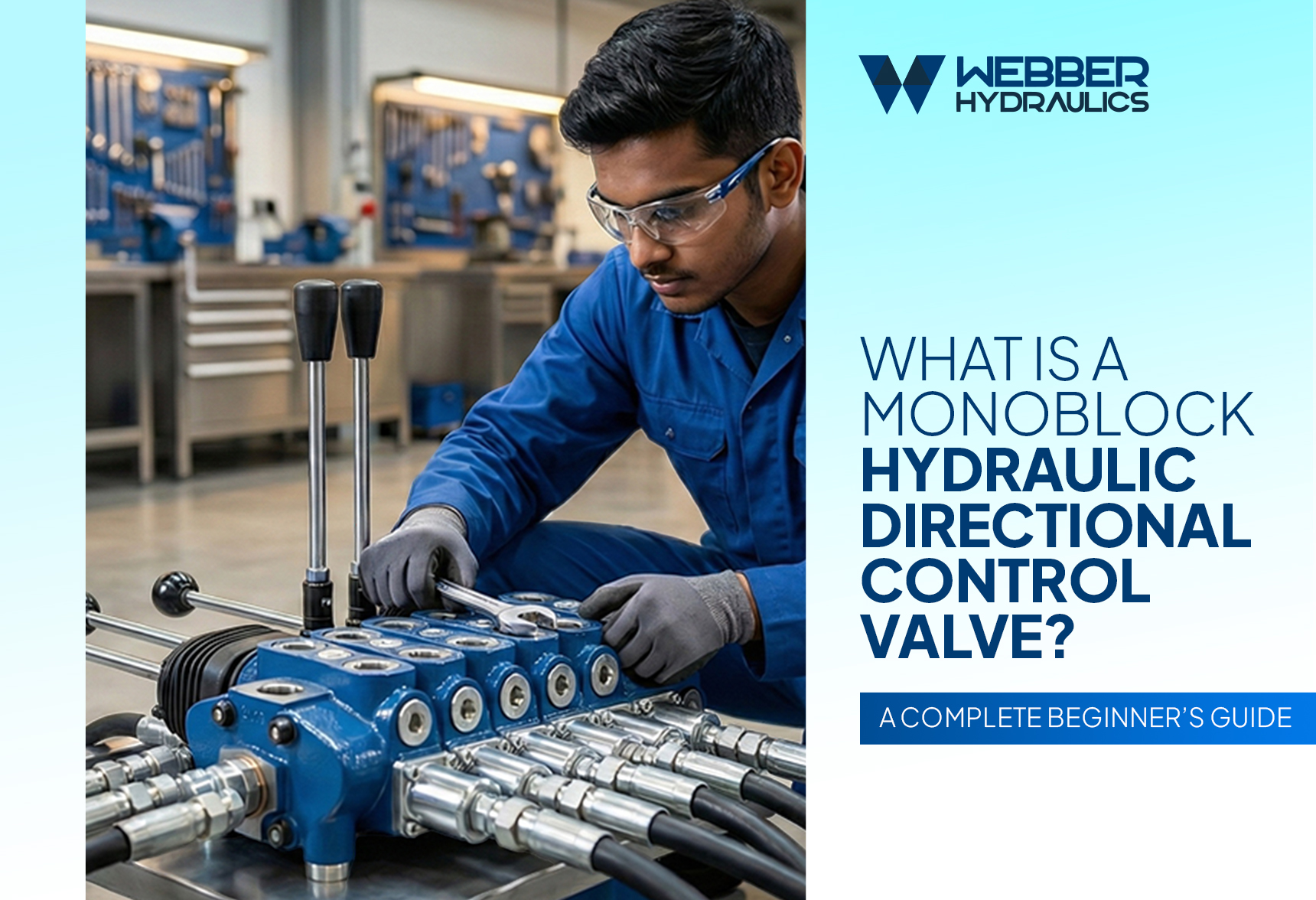
Every worker needs to wear safety glasses together with gloves and protective shoes as their standard personal safety equipment. High-pressure fluid injection injuries seem like small injuries at first but they can cause fatal outcomes. PPE serves as the initial protection which workers need to handle hydraulic equipments during its operation and maintenance work.
3. Inspect Hoses and Connections Regularly
The appearance of leaks together with cracks and bulges indicates signs which require immediate attention. The sudden failure of worn hydraulic hoses and fittings leads to dangerous spray and complete system collapse. Regular inspections help organizations identify problems at their start which stops unexpected equipment failures from happening.
4. Use the Correct Components
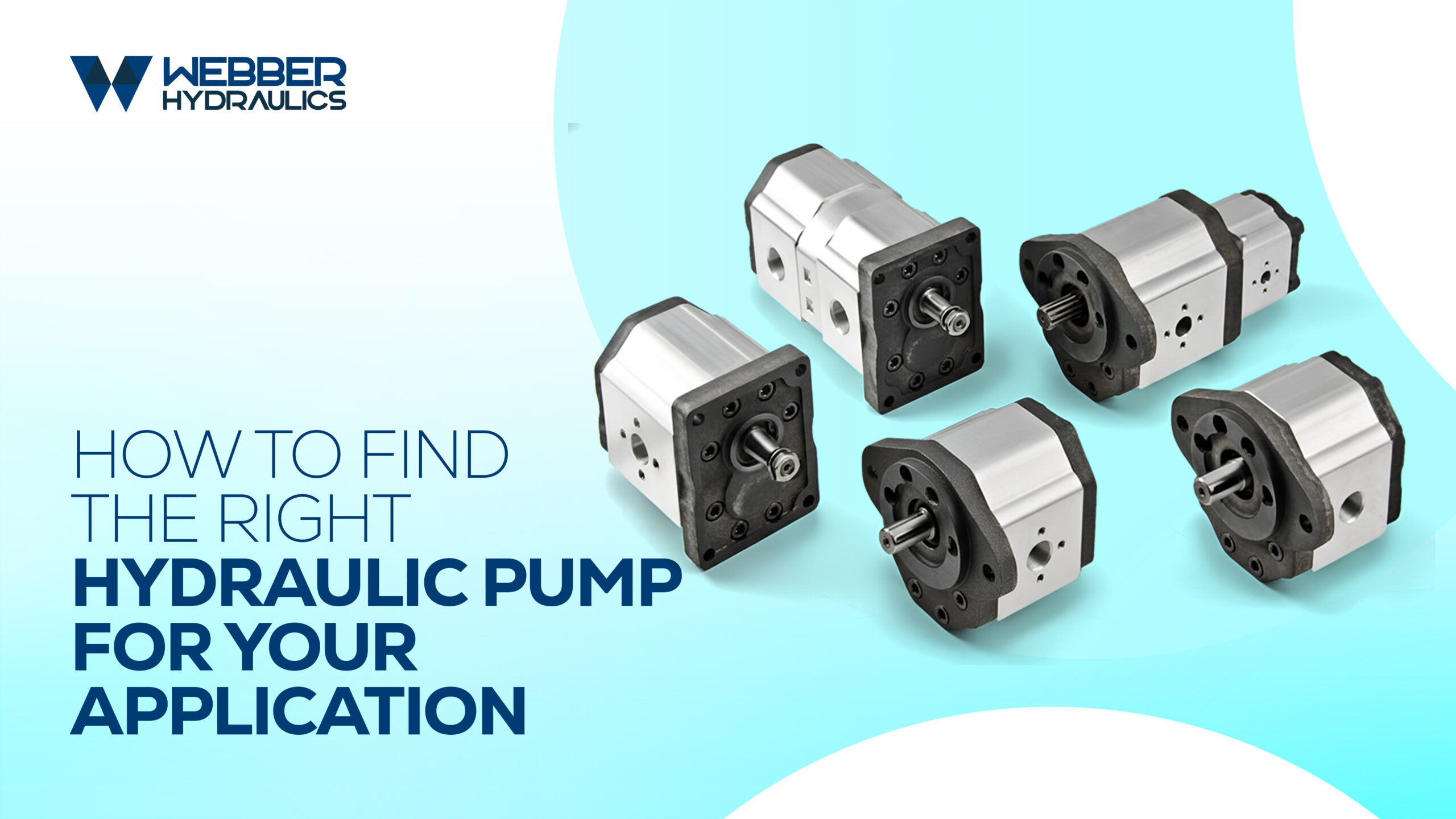
You must never use replacement parts which do not match the original specifications provided by the manufacturer. The use of incompatible seals, valves, and fittings creates an elevated chance that the system will fail. Quality components from trusted providers like Webber Hydraulics ensure compatibility and safety under operating conditions.
5. Control Contamination
Dirt and debris function as invisible system destroyers which operate without making any noise. The system experiences contamination which causes its components to deteriorate while their temperatures rise and their operational performance becomes unpredictable. The internal parts of hydraulic systems need protection through correct component storage and filtration system operation.
6. Train Operators Thoroughly
The majority of accidents occur because people use equipment incorrectly instead of because of equipment breakdowns. Operators need to understand how to handle maximum loads besides getting to know about the emergency shutdown procedures and system behavior patterns. The training sessions which happen regularly help people learn safe practices while they decrease their chances of making mistakes during hydraulic equipment operations.
7. Secure Loads and Components
The system experiences unexpected shifts when it carries loads which become unstable or when its components get installed incorrectly. The system requires all cylinders, actuators and loads to achieve secure attachment before operators can start applying pressure. The design prevents abrupt motions which would lead to harm of people or destruction of property.
8. Monitor Pressure and Temperature
The situation becomes dangerous when there is too much pressure or when temperatures reach levels that are beyond normal. The system needs regular gauge and sensor inspections to maintain operations at levels which protect people from danger. The valve receives protection from dangerous overpressure situations through its correct operation in hydraulic pressure release valve systems.
9. Replace Worn Parts Promptly
The danger level rises when people postpone their need to fix broken parts. The major threat is that hydraulic hoses and fittings start breaking down after long periods of use. The practice of proactive maintenance helps businesses cut their operational expenses while it stops workplace accidents from occurring.
10. Follow Lockout/Tagout Procedures
The maintenance team needs to block all power sources and establish unambiguous equipment identification before starting any work. Lockout/tagout systems protect workers from unexpected machine startups during their maintenance activities. Reliable suppliers like Webber Hydraulics offer safety directions which follow the established safety guidelines of their industry.
Final Thought
To conclude, safety of hydraulic systems requires absolute priority because it protects people from harm and prevents damage to equipment. The practice of safety measures, proper training and maintenance schedules will lower potential dangers. Webber Hydraulics stands as a reliable supplier which brings dependable operational results. The system reaches maximum efficiency because these measures defend against accidents while creating a workplace which protects people’s safety and their sense of accountability.
FAQs
Why are hydraulic systems considered dangerous?
The system operates at elevated pressure levels while storing energy which can produce dangerous accidents when operators ignore safety protocols.
How often should hoses be inspected?
The staff needs to perform daily visual checks and regular maintenance programs should include detailed inspection routines.
What causes most hydraulic accidents?
The main reasons for these accidents stem from insufficient employee education and neglected equipment upkeep and workers who don’t properly release system pressure during maintenance tasks.
Can small leaks be ignored temporarily?
The system requires immediate attention because small leaks lead to major problems which develop into major system breakdowns when you neglect to fix them.
Who should service hydraulic equipments?
Only people who have received proper training and obtained official authorization should handle equipment maintenance and component modifications for safety and regulatory adherence.