In today’s industrial world, the performance, efficiency and durability of your hydraulic system depend on the hydraulic pump selection process which requires you to select the most appropriate pump for your application needs. The pump selection process becomes vital for all sectors which include construction and manufacturing and agriculture and any business that depends on hydraulic systems.
With numerous products in the market, understanding product fundamentals together with main selection factors saves time, money and early system breakdowns. Let us delve into this blog to understand more.
1. Understand Your System Requirements
Hydraulic pump selection begins with the requirement definition of your hydraulic system needs. The following guidelines should be used to achieve this objective:
- Flow Rate – The system needs to move a specific volume of fluid which is measured in liters per minute (L/min) or gallons per minute (GPM). The flow rate determines the speed at which actuators (like cylinders or motors) move.
- Operating Pressure – Different applications require different pressures. The system needs both its continuous operating pressure and its maximum pressure points to be determined. The information will assist in identifying appropriate pump models and design specifications.
- Fluid Compatibility – Hydraulic systems use various fluids depending on the application. The pump you select must work with the actual fluid used in your system which can include standard hydraulic oil fire-resistant fluids or biodegradable alternatives.
2. Types of Hydraulic Pumps
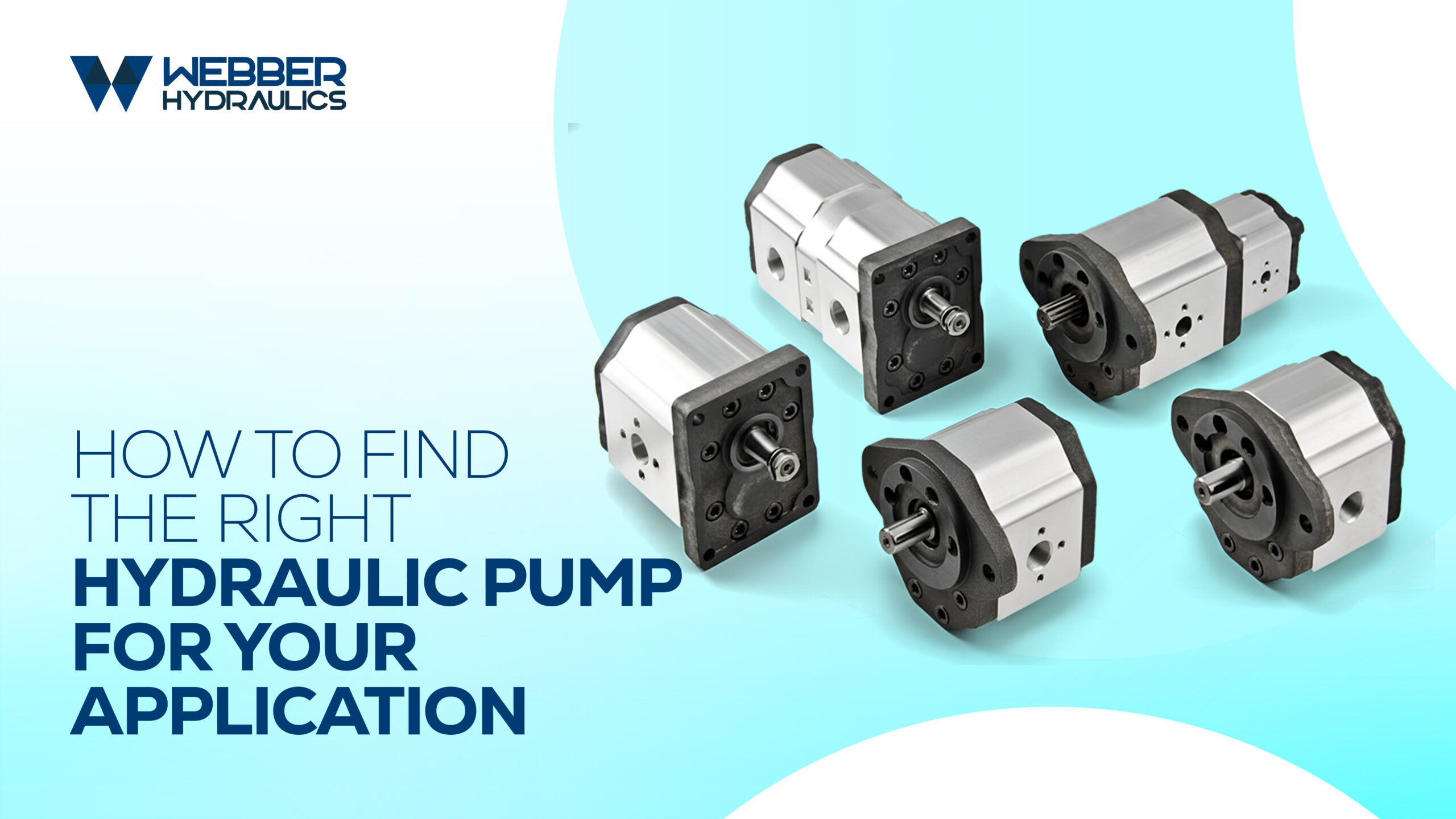
Hydraulic pumps exist in various configurations which possess distinct advantages that suit particular applications. Understanding these types helps ensure you match the pump to your application.
Gear Pumps
Gear pumps are the most widely used pumping solutions which exist today in multiple applications.
- The internal gear pump operates with two gears creating flow by their internal and external gear elements that mesh together. They provide smooth, consistent flow and are often chosen for medium-pressure applications.
- External gear pumps are easier to operate because their design requires less accuracy and their systems can function at lower pressure levels.
Vane Pumps
Vane pumps operate with a rotor which contains vanes that move across the surface. Its silent functionality delivers high volumetric efficiency making it suitable for applications that need medium pressure.
Piston Pumps
It operates efficiently at maximum pressure levels delivering exceptional performance. Also, piston pumps are best in applications that require tough equipment operations like mobile equipment and industrial presses.
3. Consider Hydraulic Oil Pump Options
The performance of a hydraulic oil pump depends on its chosen fluid which requires understanding of the fluid’s viscosity and temperature characteristics. These components must match the fluid type to achieve maximum efficiency while safeguarding against equipment damage.
The components which include seals and internal parts need to withstand the specific hydraulic fluid which you intend to use. Also, the pump system needs to confirm its ability to operate correctly through all temperature ranges.
4. Match Pump Capacity to System Demand
The system needs its pump capacity to match the actual system requirements. Pumping systems become less efficient when operators select pumps that deliver more energy than their systems require. The system will experience operational problems when the selected pump capacity is too low because it will fail to deliver the required system performance.
The correct capacity needs to be determined through these two steps. The total hydraulic horsepower requirement must be calculated. The manufacturer performance curves need to be used to select a pump which can achieve both the required flow and pressure at its designated operating speed.
5. Efficiency and Energy Consumption
Pump efficiency affects the total operational expenses throughout the lifespan of the equipment. The pump generates power through two efficiency measurements: volumetric efficiency which calculates the total fluid movement per pump revolution and mechanical efficiency which measures power transmission effectiveness.
Higher efficiency pumps might have a higher up-front cost but can save money in the long run through reduced energy usage. The assessment of efficiency examines both manufacturer specifications and performance data.
6. Reliability and Maintenance Needs
The system needs to provide service personnel with simple access points to all serviceable components. Further, it needs design elements which include components that can be replaced through basic procedures. Regular maintenance is vital. The equipment will operate for longer periods when the pump requires less time to fix.
7. Temperature and Environmental Considerations
Operating environment is a crucial factor:
- High-temperature environments can degrade seals prematurely.
- Cold conditions may affect fluid viscosity and pump startup behavior.
Select a pump that is designed for outdoor use with corrosion-resistant materials because some are best suited for use in areas that have harsh elemental issues.
8. Noise and Vibration
Some applications, such as indoor manufacturing and mobile equipment operations, require equipment to function at reduced noise levels. The design specifications of internal gear pumps show that these pumps create less noise than some piston pump models. The need for additional noise-dampening measures usually depends on the particular environment.
9. Choose a Reputable Supplier
The reliable supplier delivers enhanced support services together with warranty protections and access to specialized technical knowledge. You should select hydraulic pump manufacturer in India who have established themselves as providers of high-quality products and excellent customer support.
Webber Hydraulics supplies different hydraulic pumps and components which meet the industrial needs of customers. The company has built its reputation because most engineers and procurement professionals rely on their fluid power expertise. When evaluating suppliers, look for:
- Technical support availability
- Spare parts availability
- Warranty terms
- Customization options
Final Thought
To conclude, the process of selecting a suitable hydraulic pump needs to be simplified. The selection process needs a structured method which will lead to choosing equipment that will improve performance and increase operational efficiency while maintaining dependable service over time.
FAQs
When do you need to use an internal gear pump?
The internal gear pump is the best solution when you want to have a system with medium pressure that allows you to have continuous movement of the fluid that works silently, is contamination-resistant, remains compact and can be trusted to keep delivering performance of the hydraulic system over time.
What role does the supplier play in buying a hydraulic pump?
It is essential to decide on the hydraulic pump manufacturer in India when buying a hydraulic pump because this choice will define the features of the product that the buyer will have access to, the technical knowledge, the ability to customize, and the capability to reduce downtime.
How does pump efficiency impact overall system costs?
High pump efficiency allows systems to use less power and produce less heat, which in turn makes systems more responsive and reduces the rate of equipment deterioration. Plus, it leads to lower operating costs and helps to extend the life of equipment.