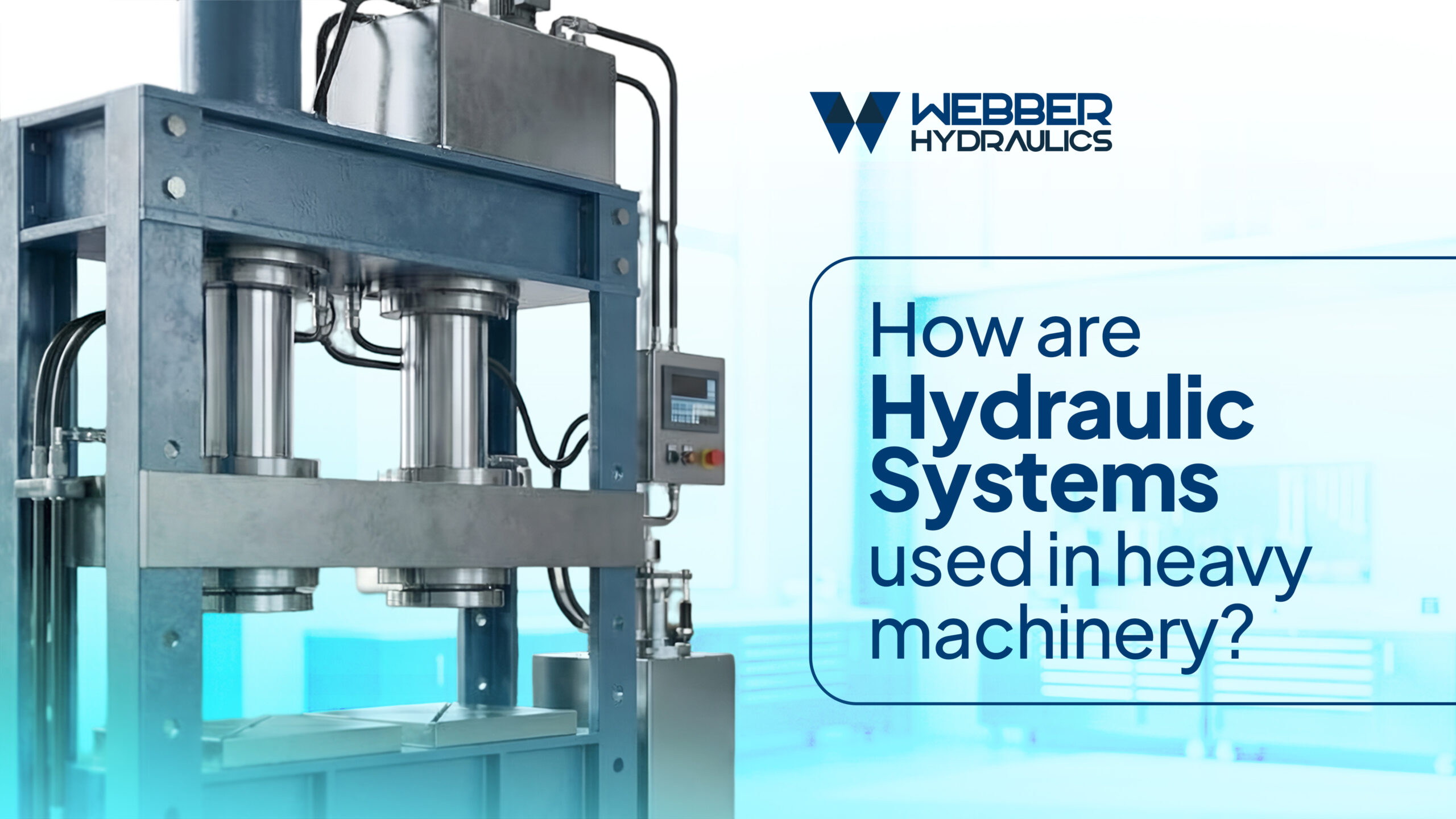
Hydraulic systems are essential for industrial equipment. They move, press, lift, and shape heavy materials by using fluid under high pressure to transmit power to the machinery. These systems are primarily used in heavy industries because they excel at providing the force and durability needed to handle massive loads.
In this blog, let us explore the functions of hydraulic systems and their key applications.
What Are Hydraulic Systems?
Hydraulic systems operate through their fundamental design which pressurizes non-compressible fluids (typically oil) to operate cylinders,motors, valves, pumps and hoses for producing mechanical power under precise control. The hydraulic pump creates linear or rotational movement in the cylinder through its fluid pressure which produces precise force application with high control and power output.
Key Advantages of Hydraulic Systems
- High Power Density – More force in a compact space
- Precise Control – Smooth acceleration, accurate positioning
- Durability – Withstands harsh environments and heavy loads
- Versatility – Used for lifting, pressing, tilting and rotating tasks
Industries from cement plants to shipyards rely on these systems to handle tasks that would be impossible with conventional mechanical systems.
1. Hydraulic Systems in the Cement Industry
In the cement industry, hydraulic systems are used in some of the toughest material-handling applications.
Applications
- Hydraulic cylinders accurately control heavy rotary kilns and crushers which aids in processing raw materials like limestone and shale.
- Hydraulic mechanisms manage conveyor tension and buggy conveyors that help in transporting materials through crushing, grinding and storage systems.
- Robust hydraulic solutions help drive cooler equipment to manage the intense heat of clinker produced in cement manufacture.
2. Power Plants: Hydraulics in Energy Generation
Hydraulic systems are central to several key functions in power plants whether operating coal, gas, nuclear or renewable facilities.
Hydraulic Uses
- Control Valves and Actuators: The system manages steam power through control valves which work together with actuators to perform quick and accurate turbine blade adjustments.
- Feedwater Pumps and Gate Valves: The hydraulic system enables secure operation of heavy valve and pump shaft movements through its controlled power delivery.
- Maintenance Rigging: Heavy generator components require hydraulic jacks together with lifting systems to achieve proper movement and alignment.
The hydraulic system operates faster than electrical actuators while generating more force which makes it vital for emergency shutdowns and turbine pitch control.
3. Steel Manufacturing: Power and Precision in Extreme Conditions
The steel industry depends on hydraulic systems to generate strong forces which enable them to form molten metal and thick steel products.
Common Hydraulic Functions
- Hydraulic cylinders apply immense, controlled pressure in rolling mills to shape steel sheets with precision.
- Heavy steel components receive their shape through hydraulic press operations which generate powerful forces during the forging process.
- The operation of ladle turrets and scrap shearing machines and coke pushers depends on hydraulic systems which run in environments that combine high heat with abrasive conditions.
Hydraulic systems maintain steady operational control while producing strong power output during times of extreme heat and heavy weight which enables steel manufacturers to produce their best quality products.
4. Mining: Surviving Tough Terrain and Tremendous Force
Mining operations depend on hydraulic systems which power massive haul trucks and drilling equipment and shovel machinery through their adaptable control systems.
How Hydraulics Help
- The digging operations of excavators and shovels function through hydraulic cylinders and motors which operate their arms and scoops for efficient material collection.
- Surface and underground mining operations use hydraulic power to operate their high-powered drilling equipment and rock-breaking machinery.
- The hydraulic suspension and steering systems of articulated trucks provide immediate adaptation to difficult off-road surfaces.
The hydraulic system in mining operations defends against mining site vibrations and abrasive wear and repetitive stress while it delivers both operational strength and durable construction.
5. Shipyards: Heavy Lifting, Precision Alignment & More
All shipbuilding and repair facilities operate with hydraulic systems which function as their main power source.
- The assembly process of ships requires hydraulic power which gantry cranes and lifts use to move their heavy components.
- The process of ship launching and docking relies on hydraulic launchers which control the slow movement of vessels as they enter the water.
- The hydraulic system enables precise adjustment of heavy alignment fixtures which operators use to achieve exact hull section positioning.
Modern shipyards depend on hydraulic systems because these systems deliver exact control of heavy loads which surpasses the capabilities of traditional gear and lever systems.
6. Mobile Hydraulics: Power on the Move
Mobile hydraulic systems operate in off-highway vehicles which include excavation equipment and mobile cranes and bulldozers and forklifts.
- The hydraulic power steer and lift systems enable operators to operate their machines with precise control which works well for restricted work zones.
- Modern mobile hydraulics systems automatically adapt their fluid distribution to meet operational requirements which leads to better fuel consumption and faster system responses.
- The auxiliary hydraulic kits provide power to operate breakers and grapples and augers which function as attachments.
Mobile equipment uses hydraulic systems to create powerful forces which operators can manage with exact precision for their heavy-duty tasks while they maintain complete control over their equipment and their movements.
Final Thought
To conclude, hydraulic systems function as essential components which enable heavy machinery to operate throughout various industrial domains. Webber Hydraulics offer customized hydraulic solutions to maintain industrial operations through their combination of power and precise control besides operational efficiency.