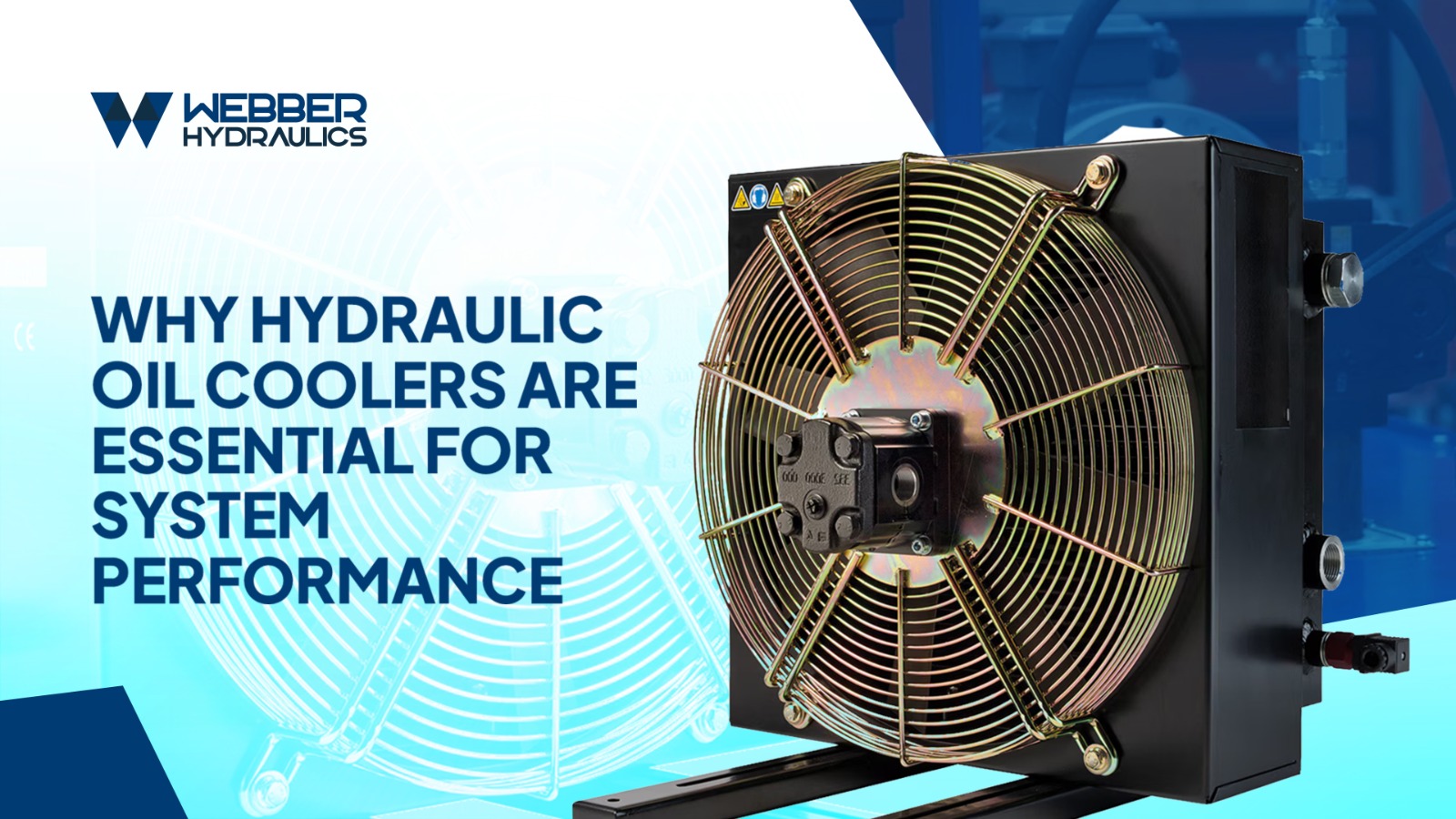
When hydraulic machines are operated in all types of industrial environments such as Construction Machinery, Manufacturing Presses, Mobile Hydraulics, there will be a resultant build up of heat caused by the operation of hydraulic systems. While using hydraulics, the hydraulic fluid is transmitted through a hydraulic line to transfer power, therefore hydraulic fluid must be lubricated to prevent friction, as well provide protection against wear and corrosion of internal surfaces of the hydraulic system. That’s where hydraulic oil coolers play a vital role.
In this blog, we will go through the reasons for using a hydraulic oil cooler, the problems it solves and why it is a good idea for companies seeking uptime and performance to invest in the right cooler.
Understanding Heat in Hydraulic Systems
Hydraulic systems change mechanical power into fluid power and back again. When this energy conversion happens, heat is generated due to inefficiencies and resistance. There are numerous factors that lead to the accumulation of heat:
- High operating pressures
- Long system duty cycles
- High fluid flow rates
- Ambient temperature conditions
- Frequent start/stop cycles
The system has to deal with heat even when operating normally. Oil begins to deteriorate when it is exposed to a temperature outside of its ideal temperature range, which is typically between 40°C and 60°C. If the oil is allowed to exceed this ideal temperature range, it will become thin due to overheating and lose its ability to lubricate, causing an increase in the wear of pumps, valves and seals.
Some of the direct effects of heat are:
- Reduced oil life
- Increased component wear
- Loss of system efficiency
- Cavitation and foaming
- Seal failures and leaks
The Purpose of a Hydraulic Oil Cooler
The main function of a hydraulic oil cooler is, fundamentally, to expel caloric energy stored in hydraulic fluid and control the temperature to a safe level for the system. Some of the other purposes include:
1. Protects Oil Quality and Viscosity
Hydraulic oil is not limited to being a means of transmitting force but also serves as a lubricant and carrier of impurities. Heat-induced deterioration occurs in the oil, its molecules break apart and additives lose their power thus making the oil less effective.
A heat exchanger works to prolong the oil’s useful life by:
- Keeping viscosity level constant
- Delaying the oxidation and breakdown reactions
- Minimizing the buildup of sludge and varnish
This translates into a longer lifespan for the lubricant and a cleaner system.
2. Extends Component Life
As the temperature increases, hydraulic pumps, motors and valves will be subject to increased wear rates from excess heat. The increased temperature causes rubber seals and hoses to expand making them less flexible earlier, eventually leading to leaks.
An oil cooler keeps temperature controlled and:
- Decreases mechanical stress
- Prevents seal failures
- Increases the life span of critical parts
Thus, a cooler turns out to be a silent protector of system health, shielding expensive components from thermal fatigue and consequently allows less frequent maintenance.
3. Improves System Efficiency
Hydraulic fluid that hold excessive heat loses viscosity making it thinner and less effective at transmitting power leading to
- Sluggish actuator response
- Pressure instability
- Reduced force output
An oil cooler ensures that fluid maintains ideal flow characteristics, which keeps power transmission sharp and predictable while improving overall system responsiveness.
4. Allows Higher Duty Cycles
In continuous-use environments like manufacturing presses or heavy-machinery applications, systems generate more heat than they can naturally shed.
Oil coolers enable:
- Higher operational workloads
- Longer run times between shutdowns
- Stable performance even under peak demands
Selecting the Right Hydraulic Oil Cooler
Choosing the right cooler does not only depend on size or price – it’s about matching system requirements that include:
- Heat load (certain amount of heat needs to be removed)
- Operating environment (ambient temperature, dust, moisture)
- Space constraints
- Flow rates and pressure ratings
- Maintenance accessibility
Installation and Maintenance Tips
To get the most out of a hydraulic oil cooler, focus on the below:
Proper Location
While placing the oil cooler in an environment where complete airflow is ensured and away from heat sources, temperatures should never be under conditions where there is inadequate air-circulation.
Keep Fins Clean
When the surface of the air-to-oil cooler has dirt or other substances covering it, the effect on the cooler’s ability to do its job is diminished. Regularly cleaning the surface of the cooler’s fins is necessary.
Monitor Temperatures
When you place a temperature probe prior to and after your cooler and monitor those readings, get to know the condition of the hydraulic oil cooler along with its issues.
Using Quality Filters
By utilizing quality filtration on the hydraulic oil in your system will help in keeping the hydraulic oil clean to prevent debris and to reduce the cooling effect.
Final Thought
To conclude, when selecting a hydraulic cooler, ensure to consult the reputable manufacturers such as Webber Hydraulics in order to get an apt solution as per your system requirements.